Spread the cost of double glazing
Replacing your windows all in one go can feel like a lot to find at once. Spreading the cost lets you break the price of new double glazing into manageable payments over an agreed term — subject to eligibility and a home survey — so a warmer, quieter home need not wait for a lump sum to come together.
Spreading the cost simply means paying for your windows and doors across a period of months or years rather than settling the full amount on the day. It’s a private finance arrangement, not a government grant, and it’s designed so the payments fit around a household budget. As with every route on this site, whether it’s open to you depends on eligibility and a survey of your home.
How spreading the cost works
The idea is straightforward. Once you know the price of the work, that figure is divided across a term you agree with the lender or installer. Instead of one large payment, you make a series of smaller ones. A few things shape what those payments look like:
- The total price — confirmed after a home survey, because an accurate quote depends on your actual windows, not an estimate.
- The term — a longer term usually means lower monthly payments, while a shorter term clears the balance sooner.
- Any deposit — some plans ask for an upfront contribution; £0-upfront options may be available for those who qualify.
- The rate — interest-bearing and, in some cases, representative interest-free terms; these are set by the lender and are always eligibility-gated.
Because the price is central to everything, it makes sense to build a personalised quote first so you’re spreading a real number rather than a guess.
See what you could spread
Answer two quick questions and we’ll match you with an installer who can explain the terms you may qualify for. It begins with a free, no-obligation quote.
Why homeowners choose it
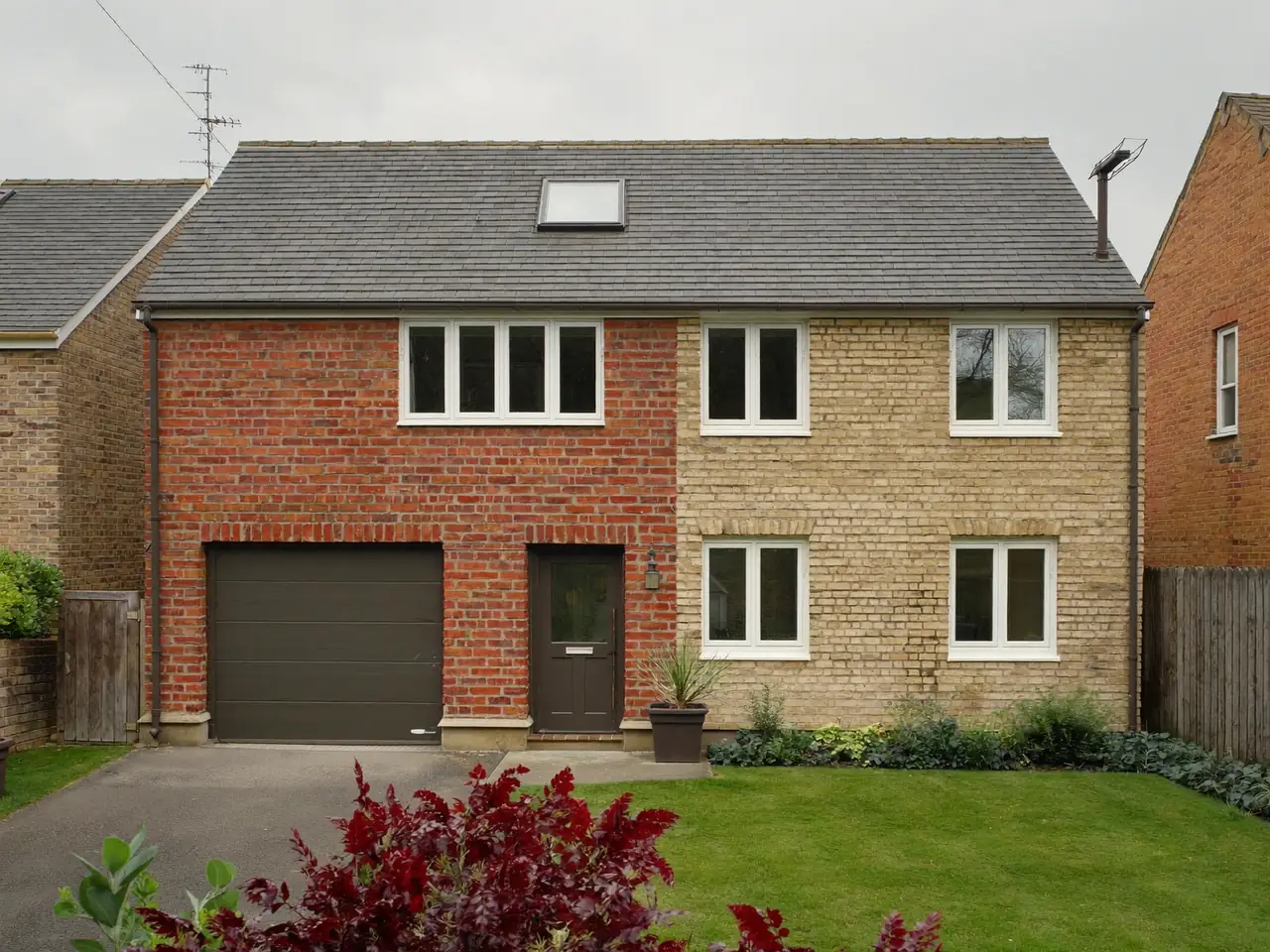
Spreading the cost can make a whole-house upgrade feasible now rather than in a few years’ time. New A-rated double glazing also does more than lower a bill: according to the Energy Saving Trust, replacing single glazing with modern energy-efficient windows can reduce heat lost through the glass and cut draughts, with typical savings depending on the property and the windows being replaced. Doing the work sooner means you start feeling those comfort benefits sooner.
What to check before you commit
A payment plan is a commitment, so it’s worth being clear on the details. Ask what the total repayable is over the full term, whether the rate is fixed, and whether you can pay it off early without penalty. Make sure the quote covers everything — the windows, fitting, making good and any guarantees — so nothing is added later. It helps to understand what a quote should include before you sign anything.
If you’d prefer a fixed monthly figure, take a look at pay monthly double glazing. If keeping the initial outlay to nothing matters most, £0-deposit double glazing options covers how a no-deposit start could work. For the mechanics behind any plan, our double glazing finance explained guide is a good next read, and you can compare wider approaches such as funding your windows without a big upfront cost.

Spreading the cost is one of several routes into the same result: new windows without finding the whole price on day one. Start from the window funding routes hub if you’d like to compare them all before choosing.
Explore your funding options
Funding options depend on eligibility and a home survey. See what you may qualify for — there’s no obligation to go ahead.
All funding is subject to status, eligibility and a home survey. £0-upfront options may be available for those who qualify. Any interest-free or representative terms are provided by the relevant lender and are eligibility-gated — acceptance is never guaranteed.